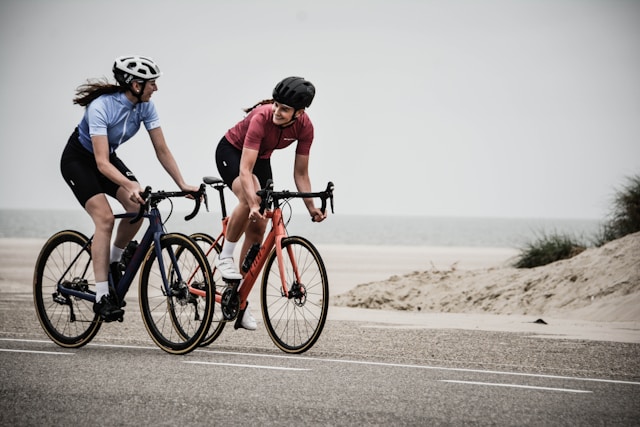

Cycling is a sport where progress comes from consistency, efficiency, and patience—qualities that shape not only athletic performance but also how people manage energy in everyday life. After training rides, racers and hobbyists often look for easy ways to unwind without adding more physical strain, and digital entertainment like Fugu Casino slots reflects how short, convenient leisure sessions fit into modern routines. While cycling and online entertainment are very different experiences, they both reveal how timing, self-control, and balanced habits influence outcomes.
A well-built cycling routine begins with fundamentals: fit, posture, and sustainable training. Riders improve fastest when their bike setup supports efficient movement. The right saddle height and reach reduce unnecessary strain on joints and back, allowing the rider to train more frequently without discomfort. In endurance sports, frequency is king. You don’t become stronger by destroying yourself once a week; you become stronger by repeating manageable sessions and letting adaptation accumulate over time.
Cycling also teaches effort management. A strong rider knows when to push and when to conserve. Wind, terrain, and fatigue change the “price” of every watt you produce. If you sprint too early, you might pay for it later. If you climb too aggressively at the start of a long ride, you may struggle to maintain pace at the end. This is why experienced cyclists talk about pacing as a skill, not just a concept. Pacing is decision-making under pressure, built through repetition and awareness.
That decision-making extends beyond the bike. Many cyclists build healthier lifestyles because the sport encourages structure: planned rides, attention to sleep, hydration, nutrition, and recovery. You learn quickly that you can’t cheat recovery. If you neglect rest, performance drops. If you skip fueling, you fade. If you push intensity without base fitness, you risk injury. The sport rewards patience and punishes impulsiveness—one reason many people find cycling mentally grounding.
Downtime matters because training isn’t only physical. Long rides demand concentration, especially in traffic, in groups, or on technical routes. Your nervous system gets fatigued along with your muscles. That’s why many athletes benefit from low-effort relaxation after training. Some prefer quiet recovery like reading or music; others enjoy interactive entertainment that engages attention without physical load. The healthiest approach is intentional: leisure that supports recovery, rather than replacing it.
This is where modern digital life can help—or hurt—depending on how it’s used. A short entertainment session can be a satisfying reset, especially if it’s bounded by time and followed by real recovery behaviors such as eating well and sleeping enough. But if leisure turns into late-night overstimulation, it can undermine sleep quality and slow adaptation. Athletes often discover that the best performance upgrades aren’t expensive gear—they’re better routines and better rest.
Cycling performance also benefits from small system improvements, much like any skill-based activity. Riders who pay attention to mechanics—tire pressure, chain cleanliness, braking response—enjoy smoother rides and fewer problems. The same mindset applies to personal habits: hydration before the ride, proper clothing choices, and a realistic plan for intensity. When you remove friction, you preserve energy. When you preserve energy, you perform better.
A useful way to think about balance is the “training triangle”: stress, recovery, and enjoyment. Training provides the stress that triggers adaptation. Recovery allows your body to rebuild stronger. Enjoyment keeps you consistent over time. If any one corner collapses, the whole system suffers. Too much stress without recovery causes burnout. Too much recovery without stress causes stagnation. Too little enjoyment causes dropout. The strongest cyclists don’t just train harder—they maintain the triangle.
Even posture and bike fit connect to this idea. When you’re comfortable, you ride more. When you ride more, you improve. When you improve, cycling becomes more enjoyable, reinforcing consistency. This feedback loop is what transforms casual riders into strong riders. It’s not magic; it’s a system that compounds.
In the end, cycling and modern digital leisure can coexist in a healthy lifestyle when both are approached with the same discipline: intentionality. Ride with a plan. Recover with respect. Enjoy downtime without letting it consume your core priorities. If you do that, you get the best of both worlds: physical strength from training and mental freshness from relaxation—each supporting the other, rather than competing for your time and energy.